Percile: This nutty place on Italy’s prettiest village list
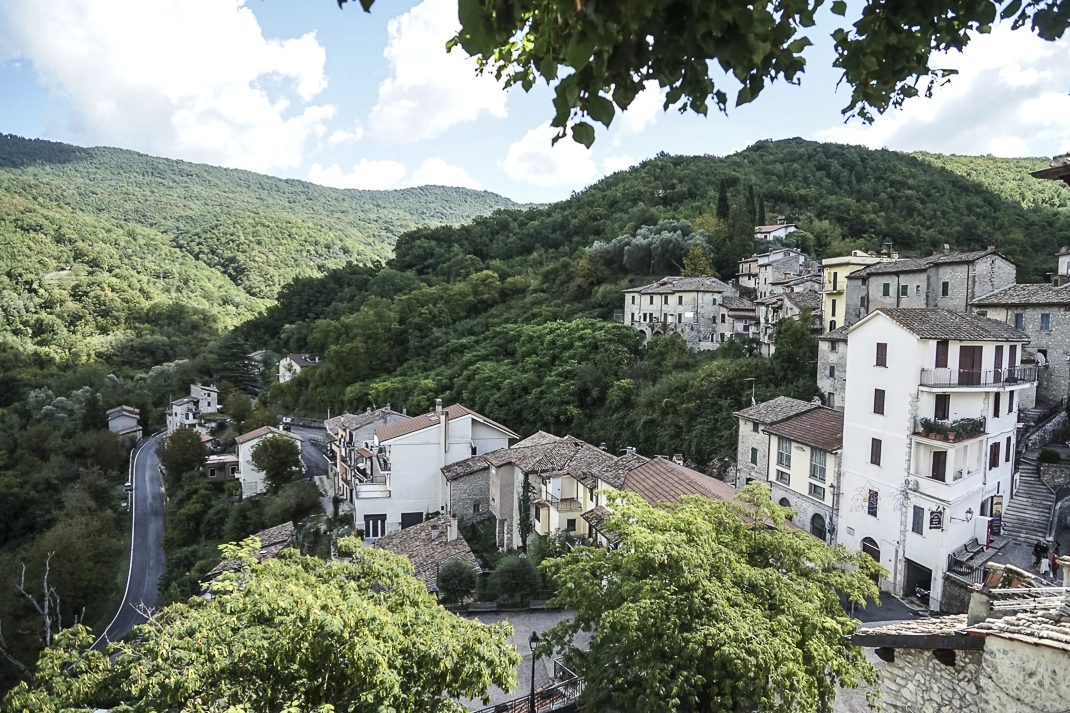
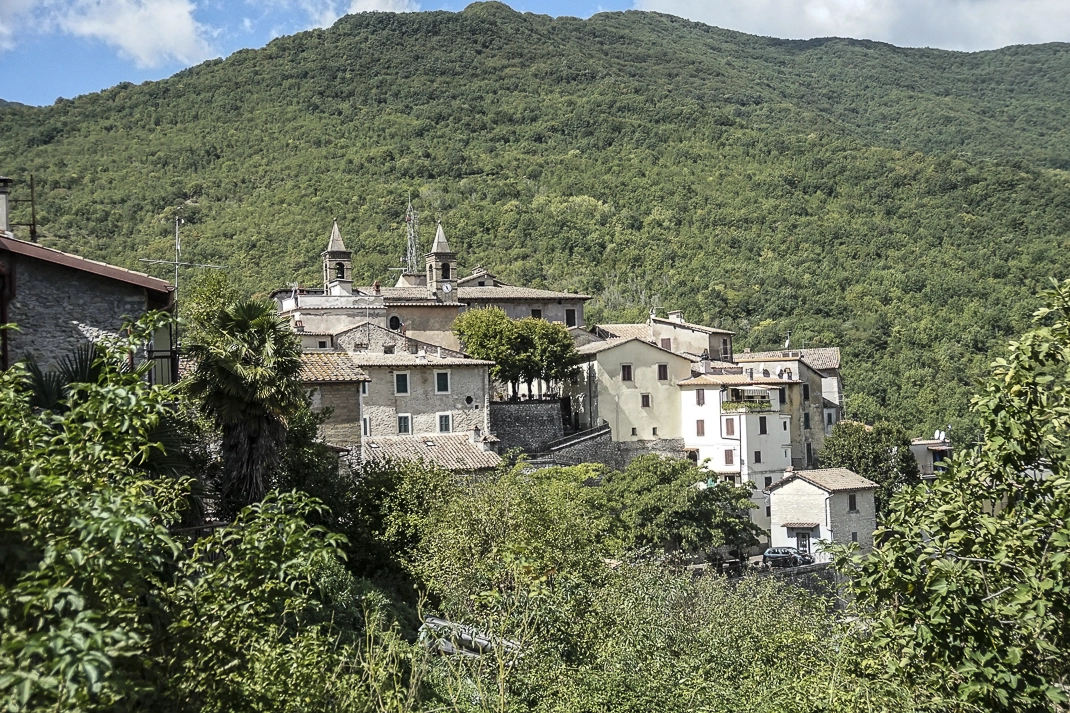
Percile made Italy’s Most Beautiful Village list.
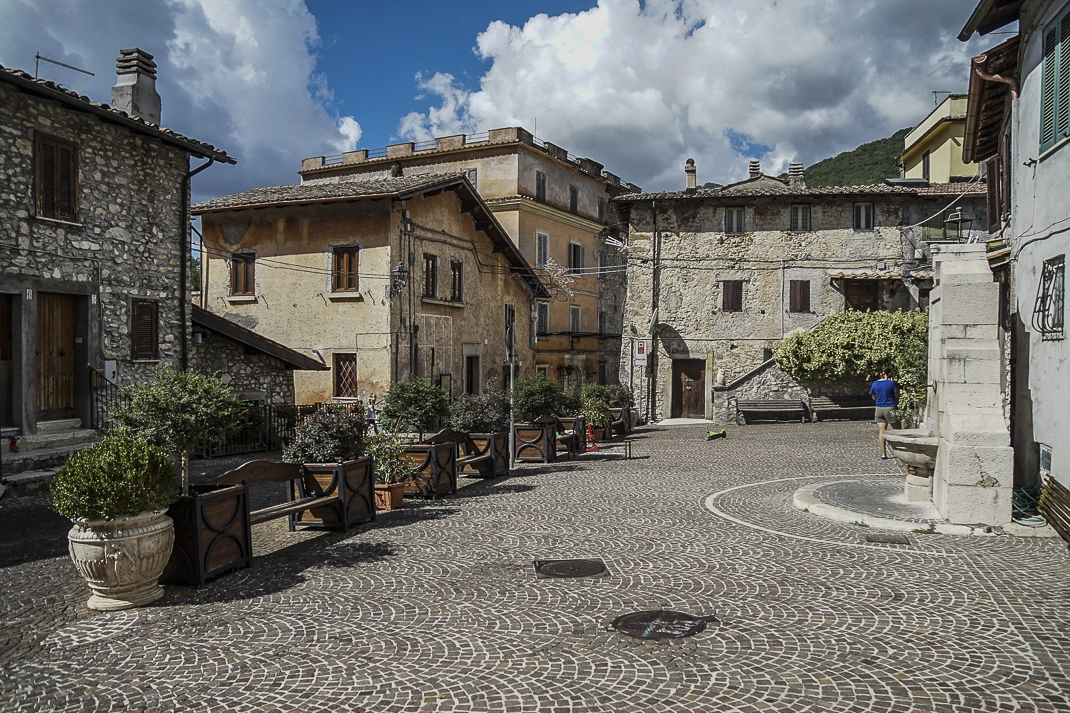
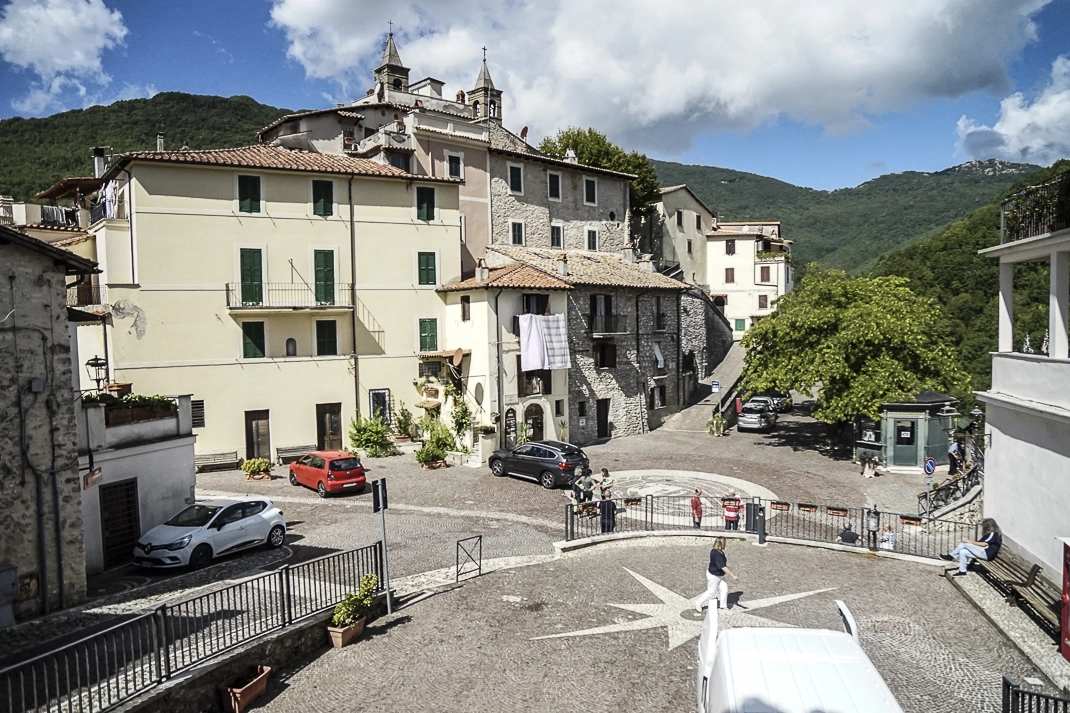
Percile: Piazza Mazzini.
Percile has uniform stone buildings throughout the village.
Can a town of 213 residents hold your interest? Sure. For a day. Maybe more. Put the town on a hill with a cute-as-a-cat-calendar historical district a scenic walk away from two beautiful lakes, and this town just 35 miles (60 kilometers) northeast of Rome is the perfect day trip.
You can tell people you visited one of the Most Beautiful Villages in Italy and it truly is on the official list of the I Borghi Piu Belli d’Italia. And do you like chestnuts? Percile is famous for them. It has an annual festival to celebrate Italians’ favorite winter nut.
Percile: The 19th century Palazzo Borghese.
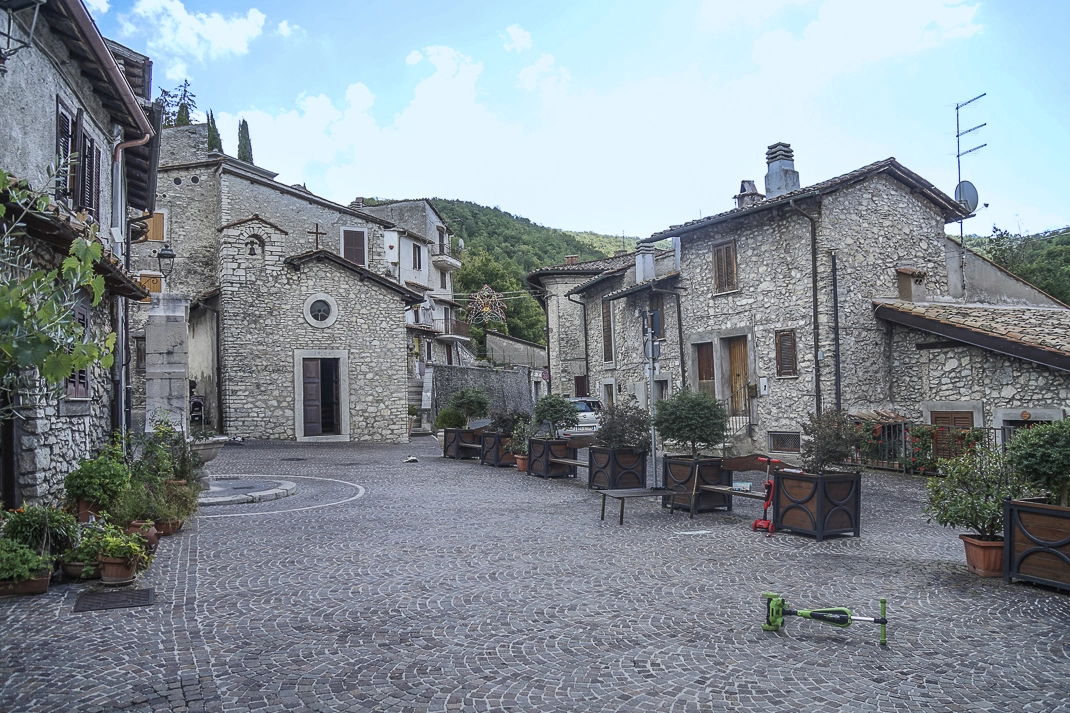
Percile: Piazza Garibaldi.
Things to do
1 • Lagustelli. You can take public transportation to Percile which is good because you need a four-wheel drive to reach these two beautiful twin lakes. Walking maybe easier.
They’re only four miles (six kilometers) from town but the road is narrow, rocky and rough. Instead take a 90-minute hike through beautiful leafy terrain. You won’t see many other hikers. We saw two.
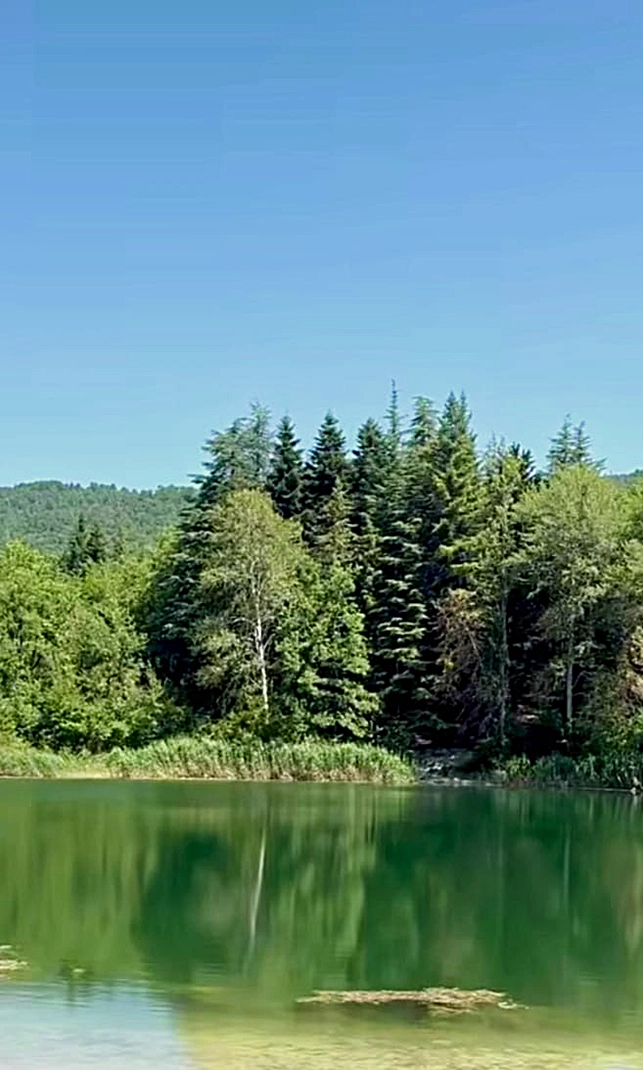
The lakes are surrounded by big, shady trees. The larger lake, Lago Fraturno, is only about the size of two football fields. The other, Lago Marraone, is only 40 meters in diameter. Pack a lunch from an alimentari in town and have a solitary picnic.
Percile: Lake Marraone e Lake Fraturno.
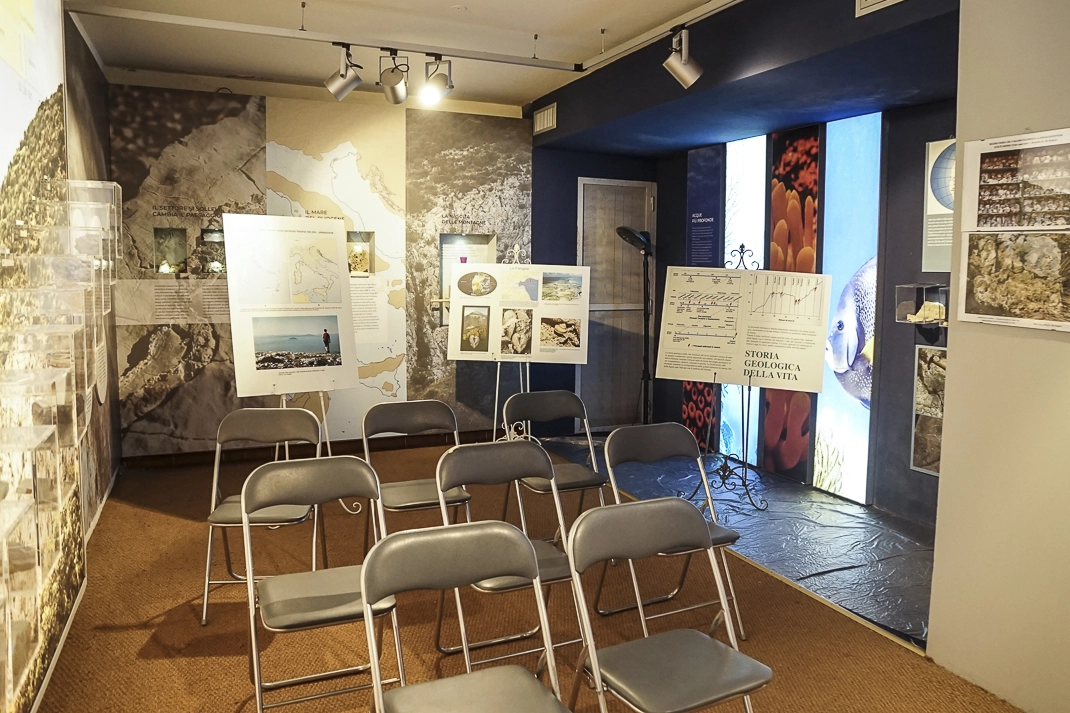
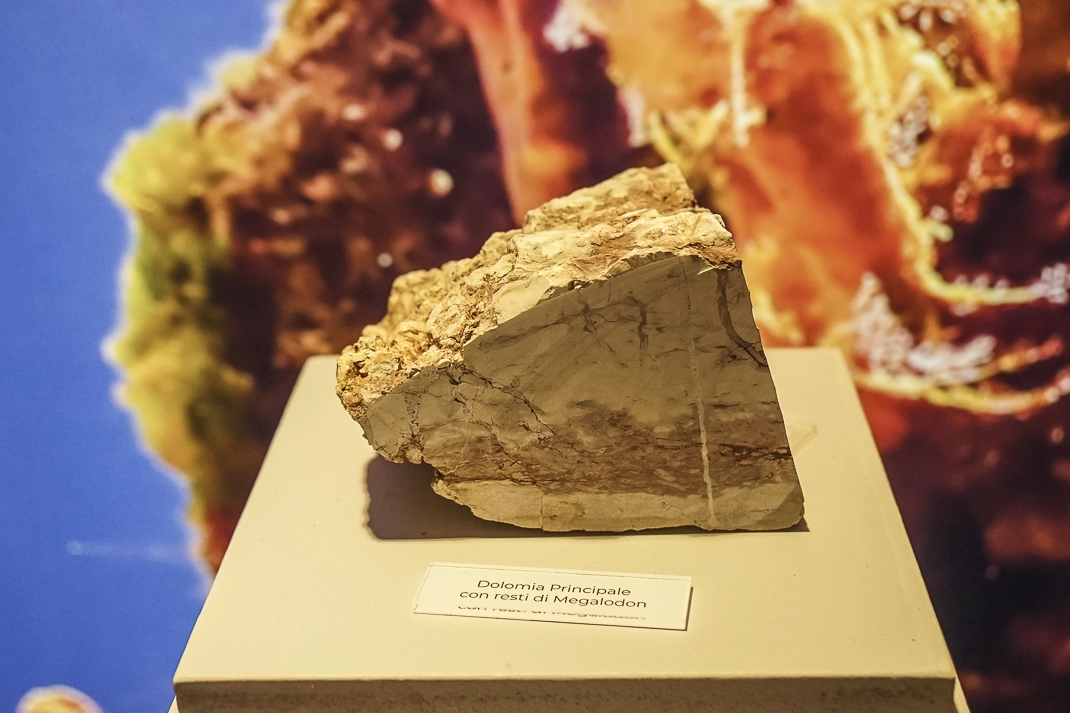
2 • Museo Naturalistico Preistorico. This compact three-story archaeological museum opened only two years ago. The first floor features stones from the area 5 million years old among its collection of neatly displayed glass-enclosed rocks.
An interesting map from the Pleistocene Ice Age shows the Italian peninsula, half covered by sea, with Rome nowhere to be seen. The second floor has a chart of human evolution with a display of skulls showing the advancements. The third floor has photos of native plants.
The museum has two big screens in small conference rooms. About half the displays include English descriptions.
Info: Via Roma 8, 39-07-637-7027, Parco Lucretili, 9 a.m.-1 p.m., 2-6 p.m. Saturday-Sunday. Free.
Percile: A viewing room in the Museo Naturalistico Preistorico.
Percile: A prehistoric stone dated 5 million years old.
3. Centro storico. This is what put Percile on the list. Narrow Via Piana is the main road which snakes through the town that takes about five minutes to walk through. The village is made up of uniform stone houses and two beautiful piazzas.
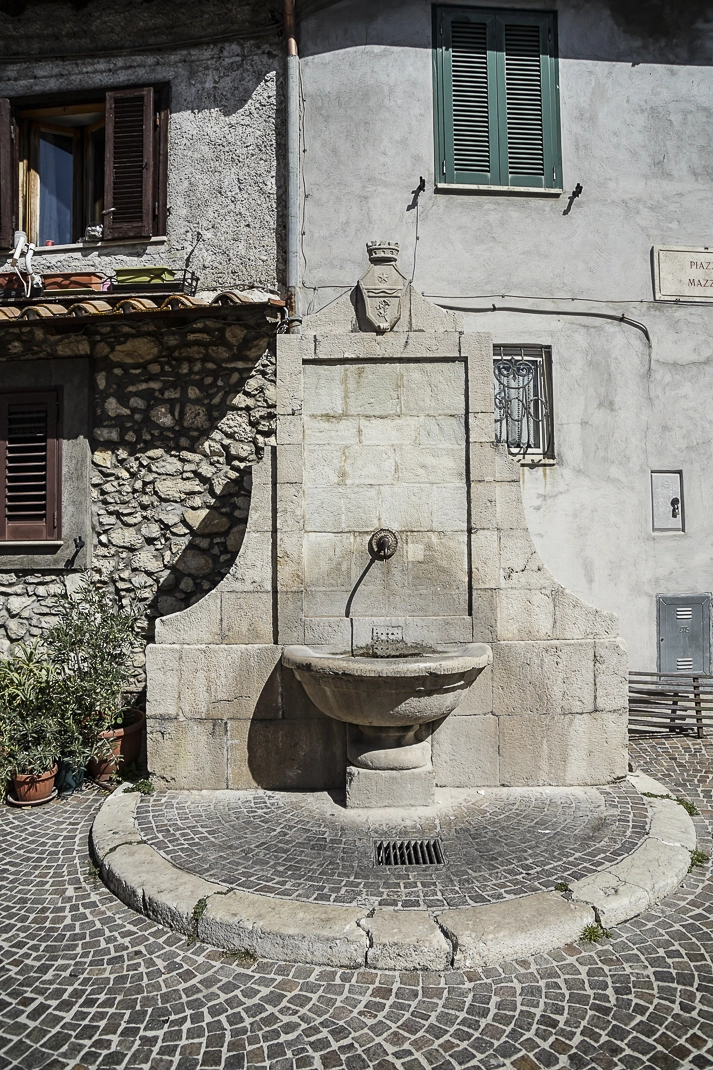
A pretty fountain anchors Piazza Mazzini ringed by shady trees and park benches. A tourist kiosk on Piazza Garibaldi will direct you up a windy, narrow alley to Palazzo Borghese, an 19th century palace and town hall with a great view of the surrounding forest.
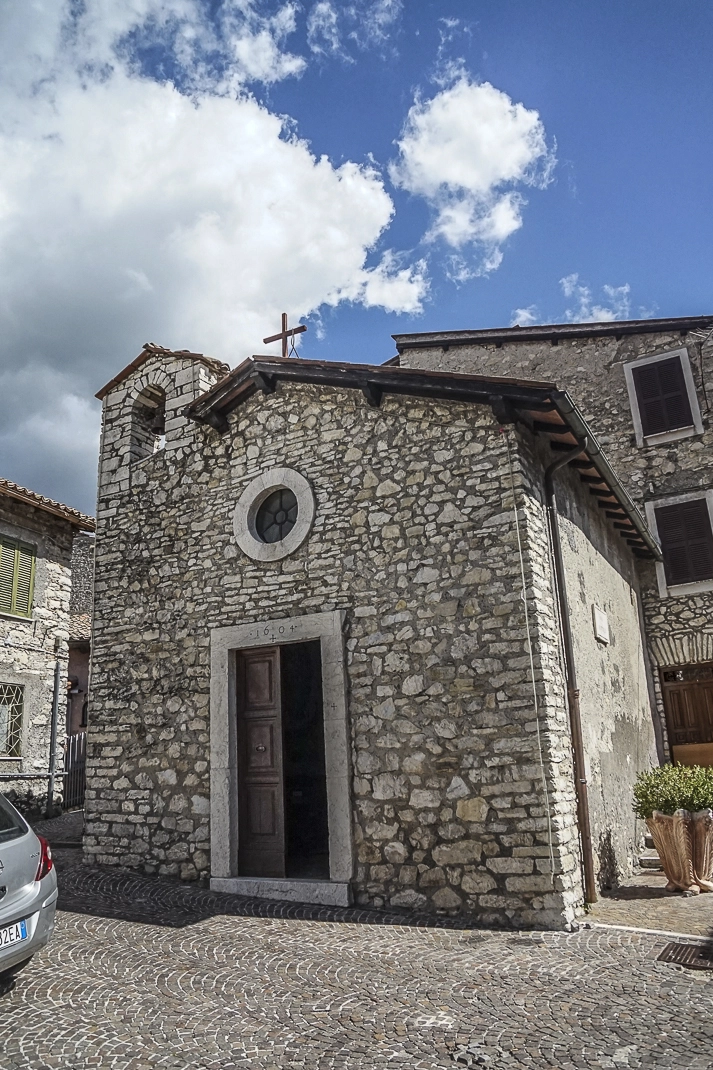
Peek into Chiesa di Sant’Anatolia on Via Licinese. Built in 1604, it has only six pews but features frescoes depicting saints working miracles for the sick.
Percile: Chiesa di Sant’Anatolia was built in 1604.
Percile: The fountain on Piazza Mazzini.
Chestnuts roasting on a Percile fire
Percile sits at 2,000-foot (600-meter) elevation, perfect for growing chestnut trees. They cover the surrounding woods. Chestnuts were known historically in Italy as the “bread of the poor” as they were plentiful, nutritious and tasty.
On the last week of every October, Percile has a chestnut festival. It’s a chestnut gastro paradise. The dishes include chestnut soup, cashew-stuffed pork, salad with red apples and chestnuts and chestnut chocolate dessert.
The village opens up to merchants selling various chestnut products. While the date of next month’s festival has not been established, it will be the 45th edition.
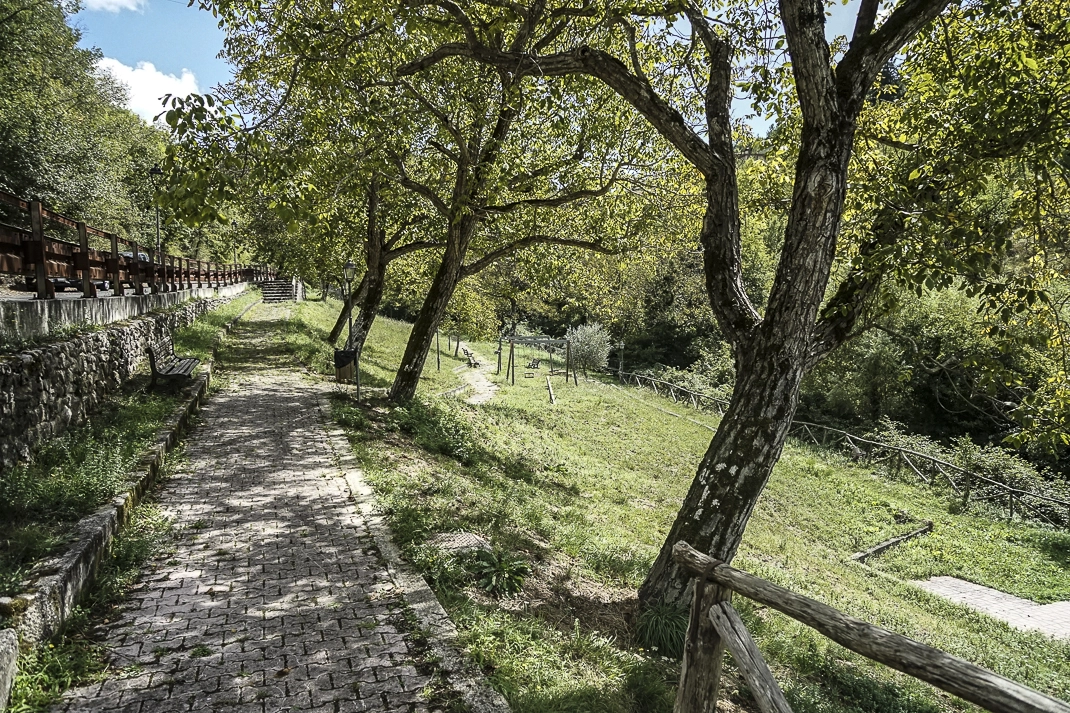
Percile: Parco delle Noci is dedicated to chestnuts.
Where is it:
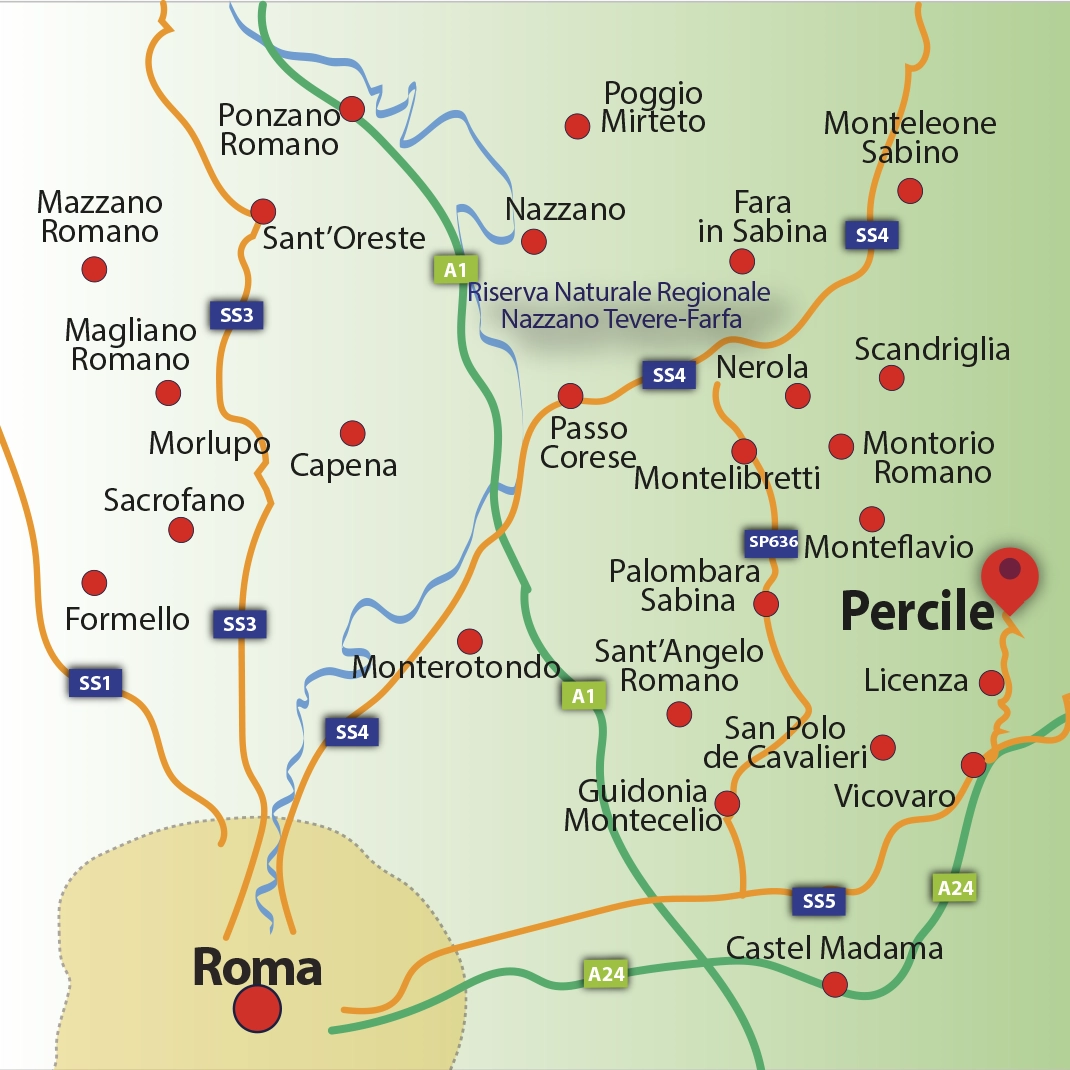
35 miles (60 kilometers) northeast of Rome.
How to get there: Direct Cotral buses leave all day from Rome’s Ponte Mammolo station to Percile.
The 50-minute journey is €9-€13.
For more information:
Comune di Percile: Via Attorno Palazzo Borghese 8, 39-07-74-469-019,