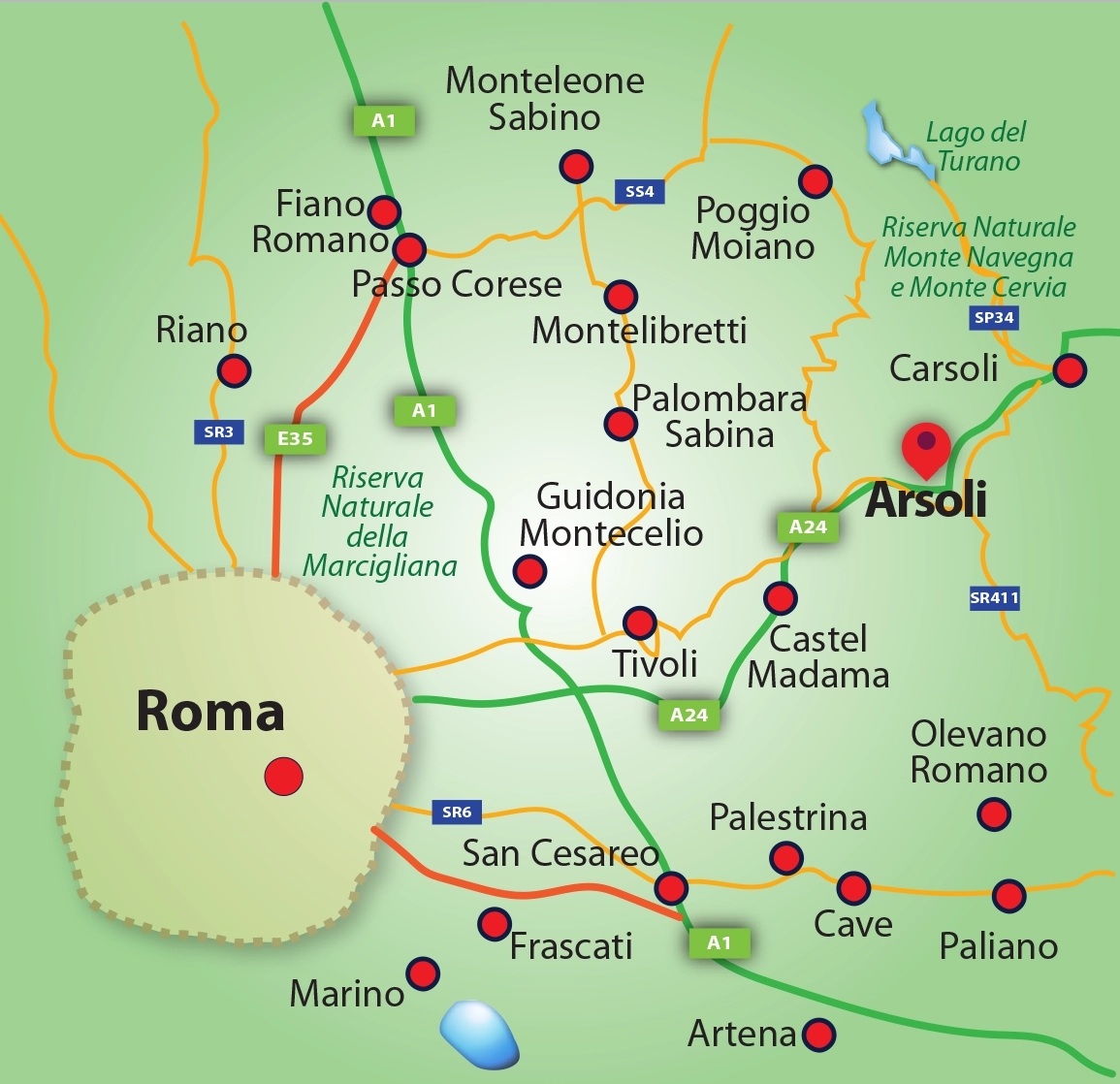
Piazza Valeria is a long square lined with outdoor cafes and restaurants. It’s where the famous Italian writer Luigi Pirandello hung out talking to locals. He helped make the village of Arsoli famous with him describing it as “Little Paris.” However, Arsoli doesn’t resemble Paris as much as your prototype postcard-cute historical district with narrow, windy, stone paths between pastel-colored buildings.
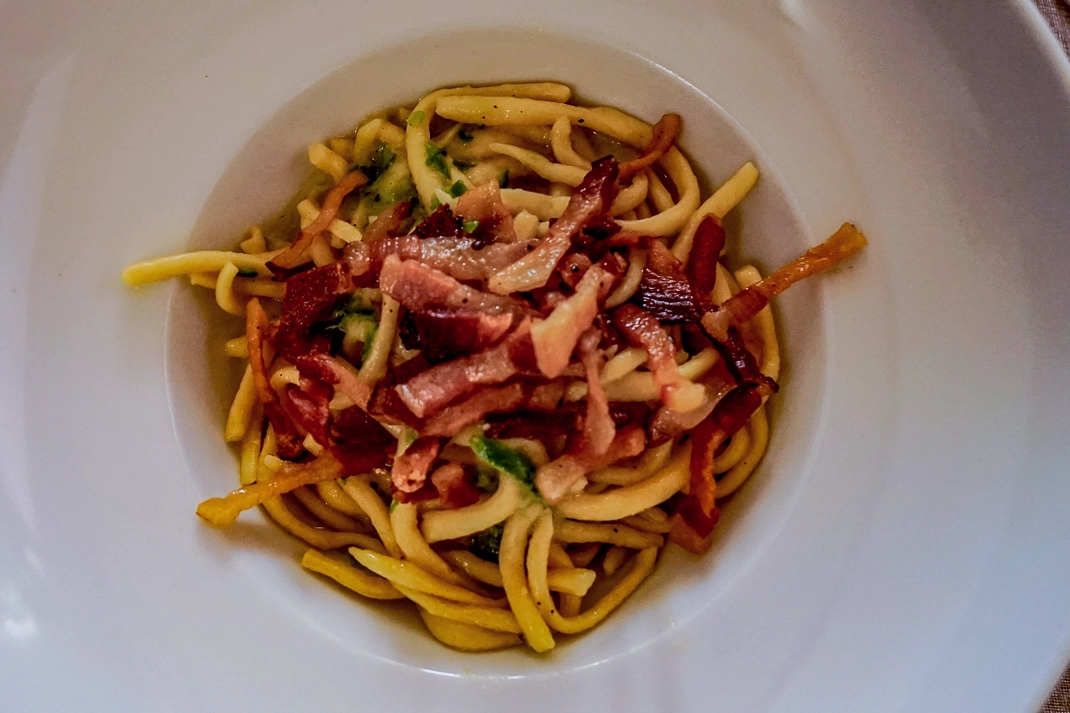
An 11th century castle hovers over the town 90 minutes east of Rome near the Abruzzo border. Go to a mass at the 16th century Church of the Holy Savior, then take a seat in the sun-splashed piazza. Order a glass of Montepulciano from across the border and dig into Arsoli’s signature sagnozzi pasta.
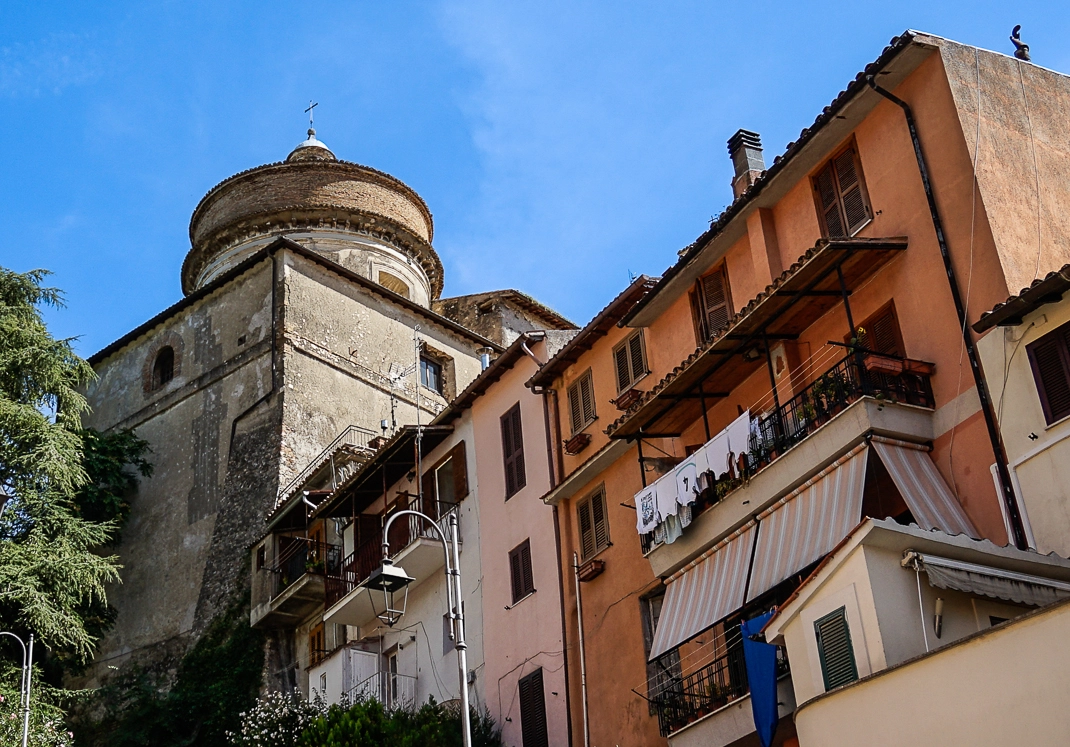
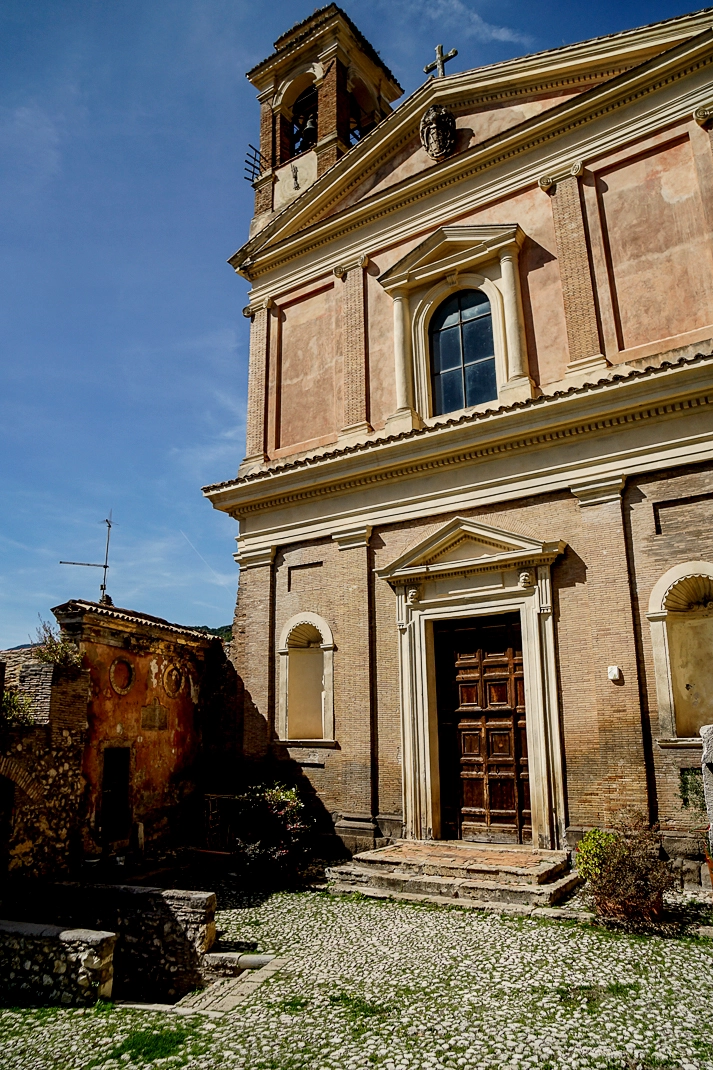
Arsoli: Church of Holy
Savior" from below.
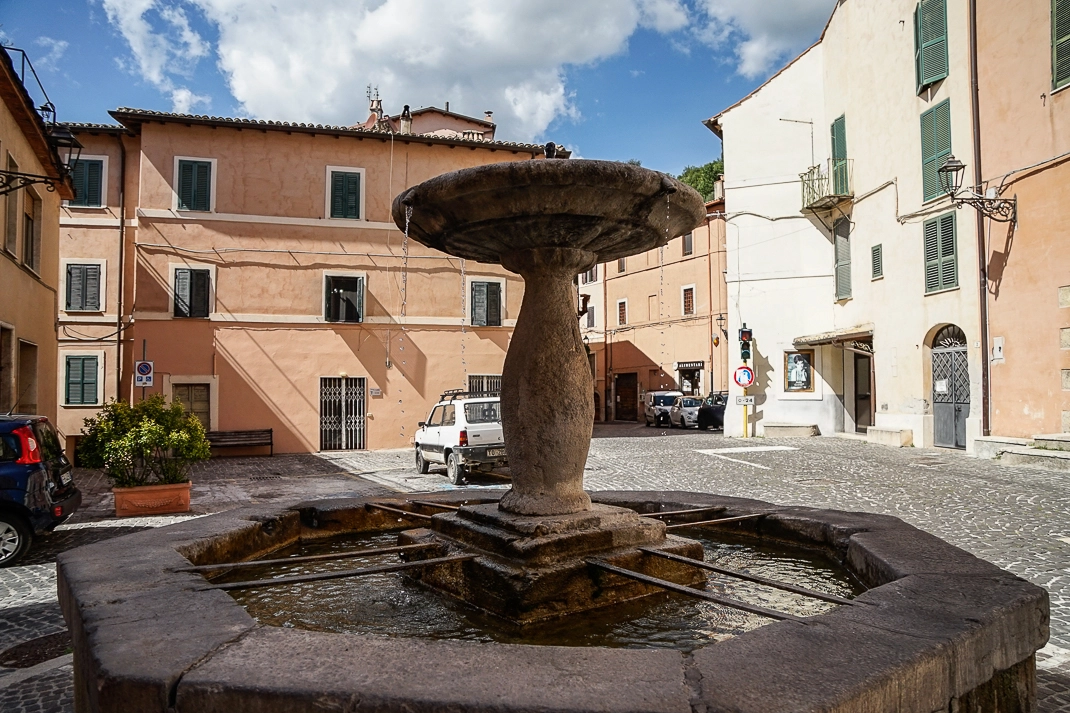
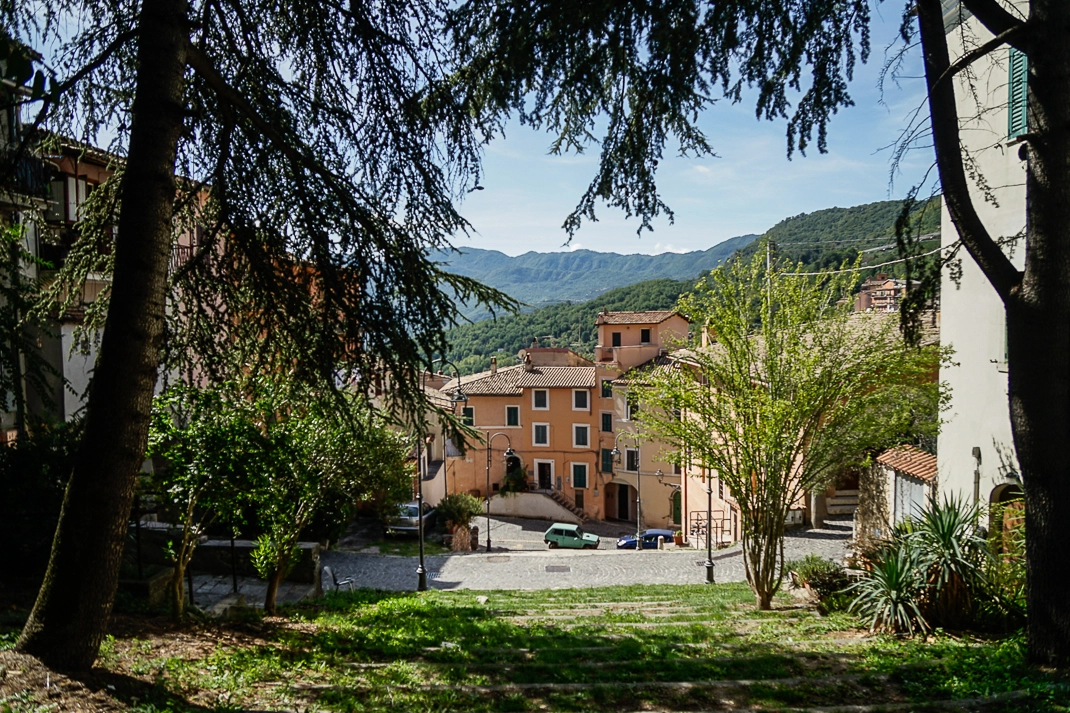
Arsoli: The fountain in Piazza Valeria.
Arsoii: The
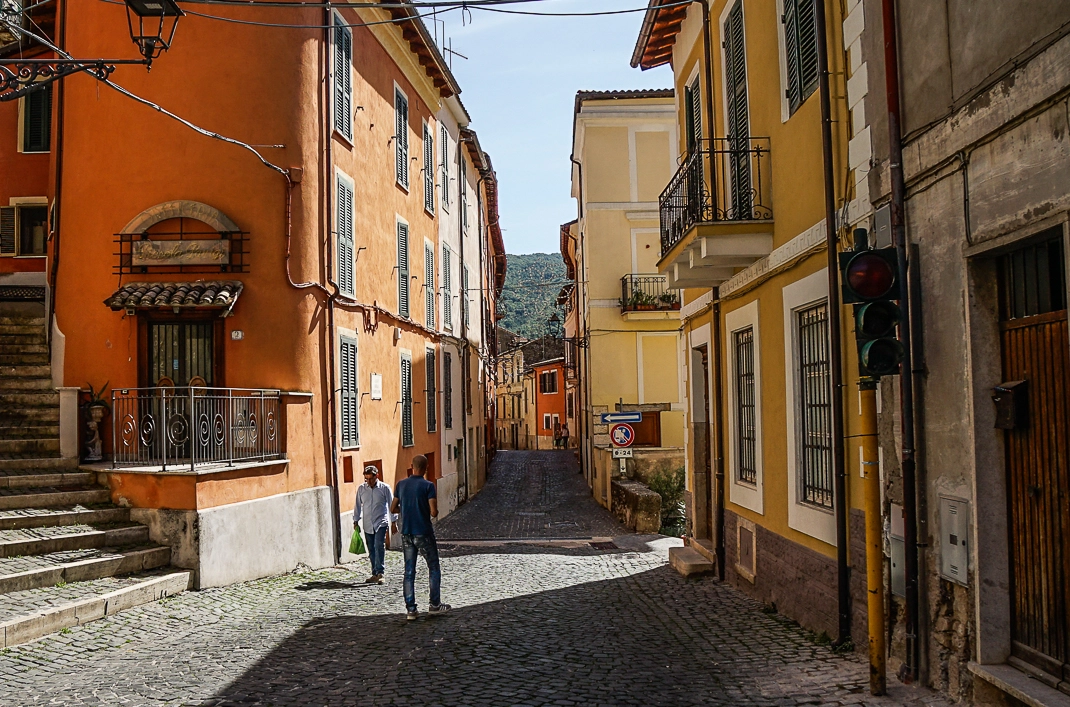
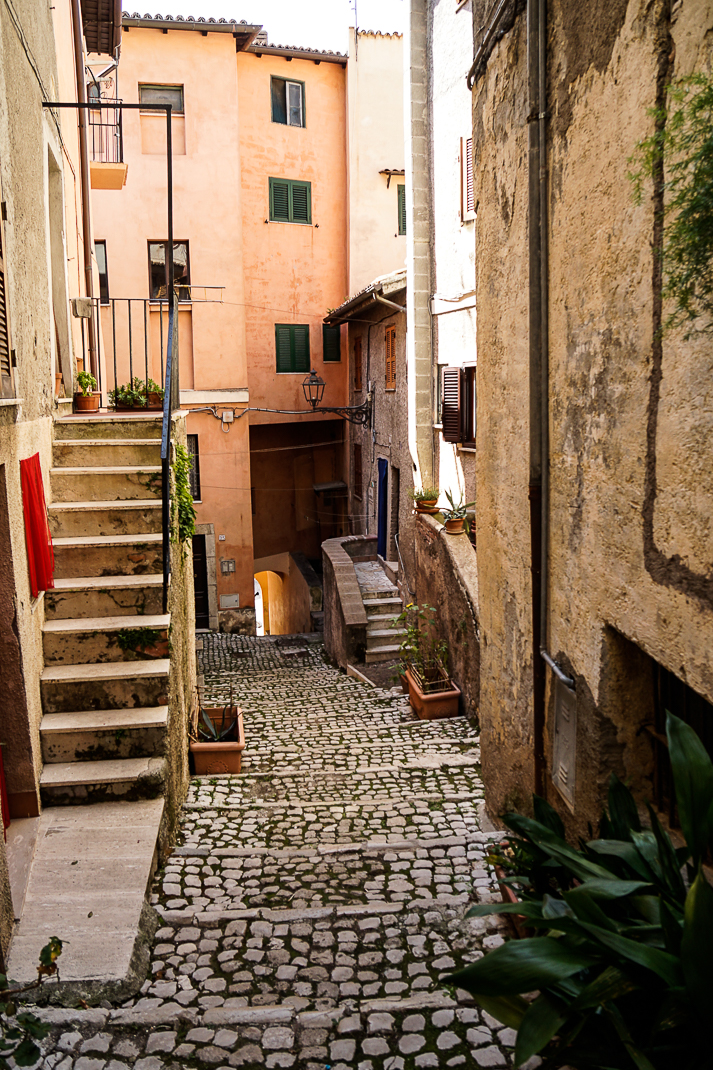
main street of Centro Storico.
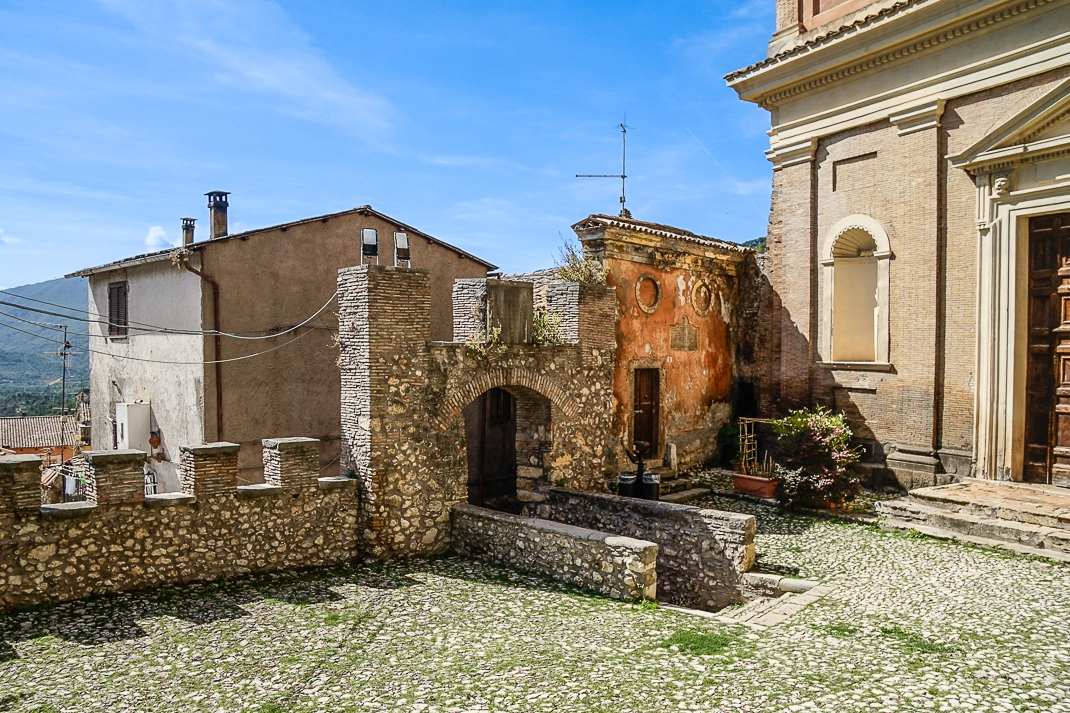
Arsoli: old wall near the church.
Arsoli: It’s a 20-minute downhill walk from the train station to the town center.
Things to do
1 • Centro Storico. Every town in Italy has an historical district, particularly in the South. However, Arsoli (pronounced ARE-so-lee) is famous for its small zone mainly because the buildings are painted in hues of orange, yellow and beige. It’s a bit of a reach from the train station. It’s 20 minutes, partly along a busy main road with no sidewalk, but it’s mostly downhill on a wide, stone staircase.
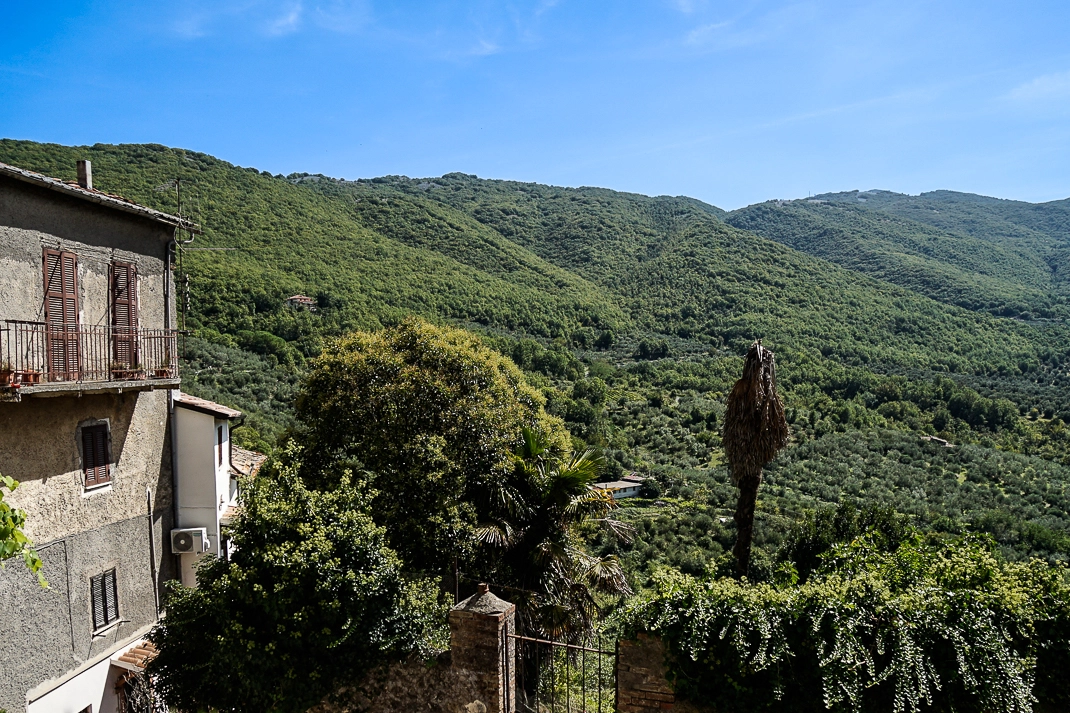
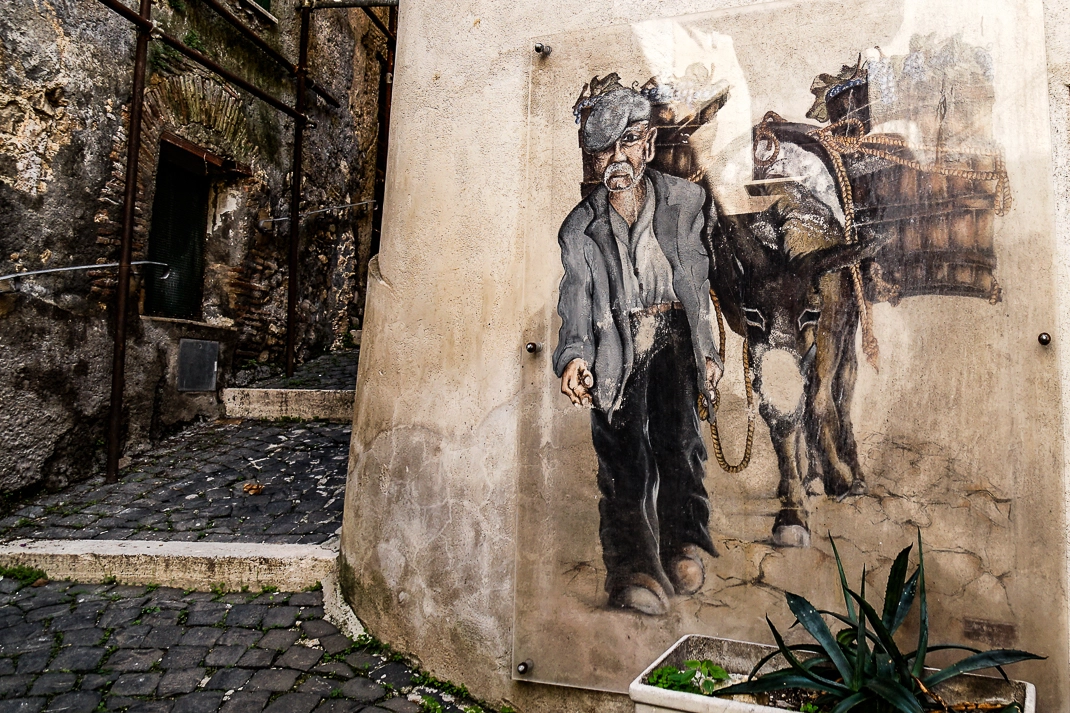
It empties into Piazza Valeria where you can take numerous staircases up and wind your way through the cute houses where cats sun themselves and sleep in the shade. Potted plants line the walls and each opening has spectacular views of the forest-covered valley beyond. You’ll pass a parrucchiere with an old-fashioned barber pole and a mural showing an old man with a burro loaded down with grapes. Look up and you can see the castle.
Arsoli: The grapes burro mural in Centro Storico.
Arsoli: old stairs in the city centre.
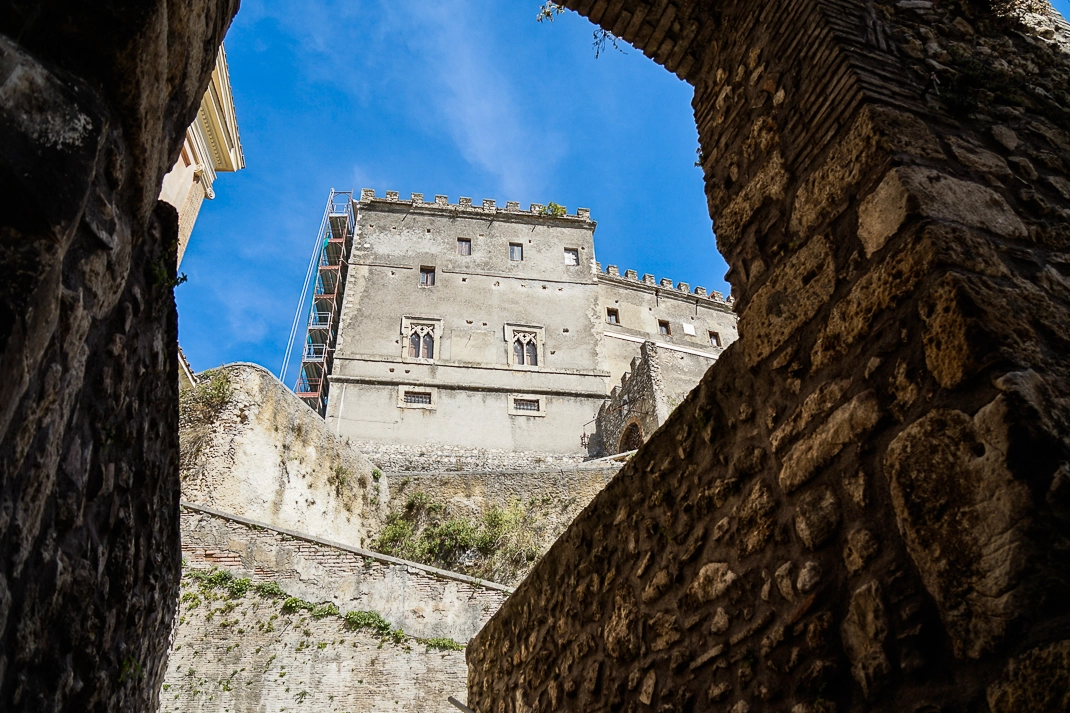
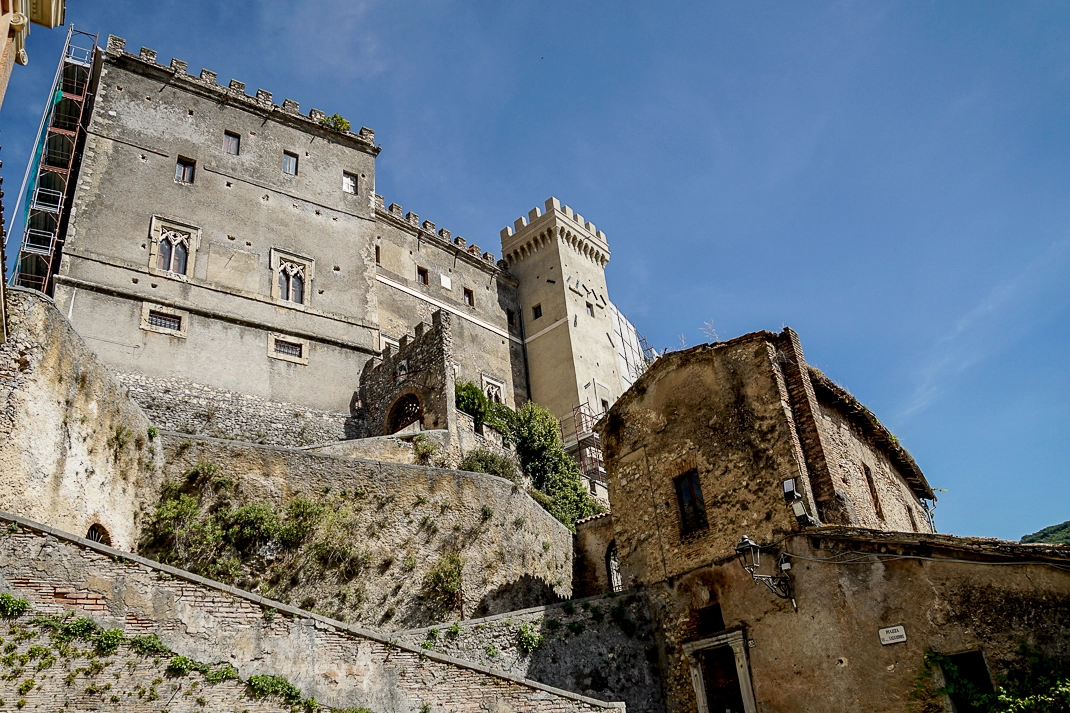
2 • Castello Massimo. It was built in the 11th century and owned by the Benedictine monks. It became heavily damaged over the years and local bishop Pompeo Zambeccari refurbished it with his own money.
It hasn’t changed much to this day. However, he tired of the maintenance and sold it to Fabrizio Massimo in 1574 who commissioned Giacomo Della Porta to construct an aqueduct to supplement the inadequate wells. The springs of Arsoli have served Rome since 600 B.C. However, the castle is under renovation again and won’t open to the public until December.
Arsoli: Castello Massimo was built in the 11th century.
3 • Church of Holy Savior. It was built in 1580 over an old church that had been falling apart. You can still see a stone column from the original church if you climb up from Via della Chiesa. Enter the church from the right side into the Chapel of St. Peter where you can see a canvas of St. Peter with his disciples.
Info: Via della Chiesa 3, 39-07-920-062.
Arsoli: Church of Holy Savior dates to 1580.
Luigi Pirandello: The writer who made Arsoli famous
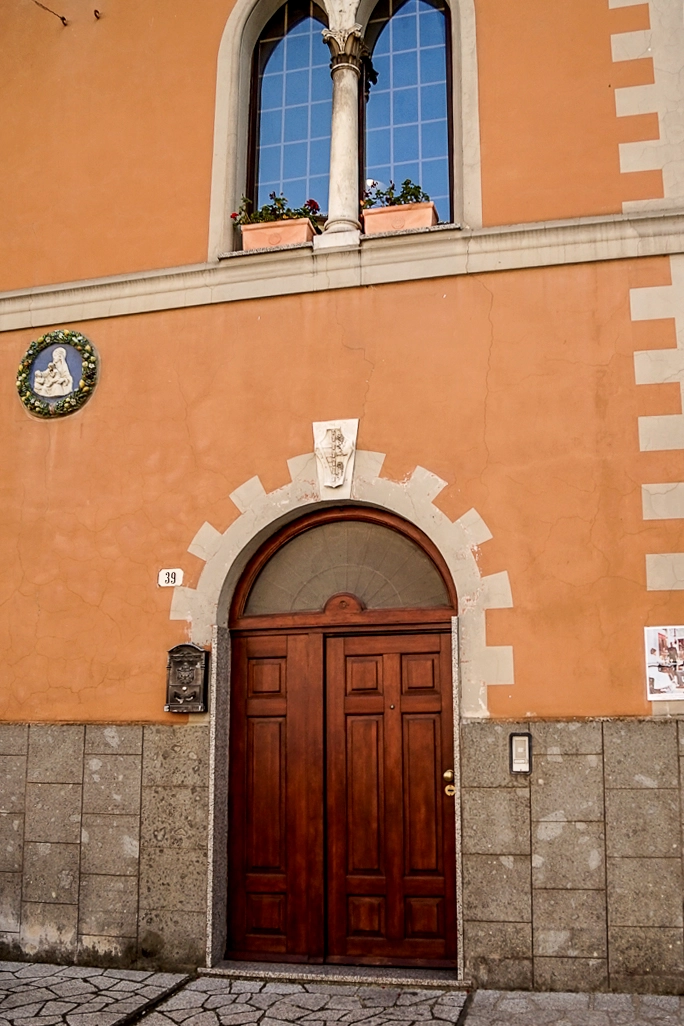
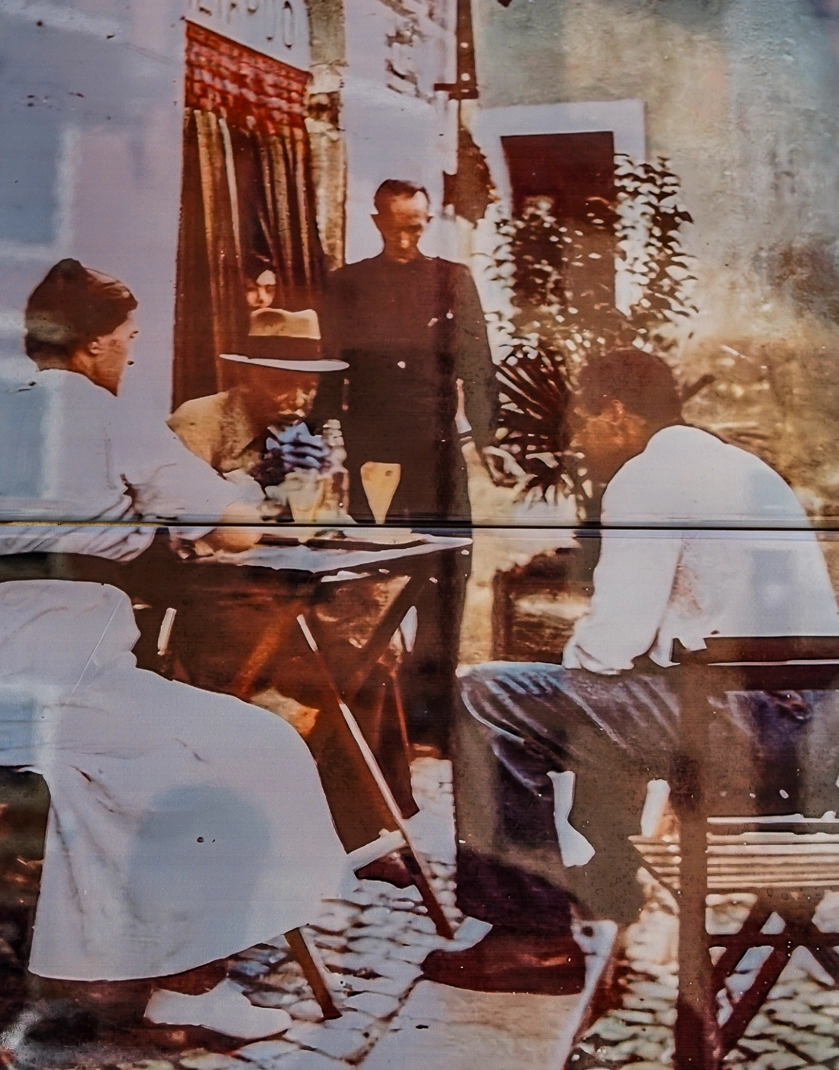
In Piazza Valeria, on a three-story building with two wooden doors under arches, is an old photograph. It’s of an old, bearded man in a fedora sitting at a table sipping a drink with two men. A waiter in black stands behind him. The elderly man is Luigi Pirandello, one of the most powerful writers in Italy’s history. The Sicilian spent many a summer in Arsoli, sitting at this exact spot where Bar Altieri once stood. Today it’s a residence but Pirandello’s legacy remains.
He was born in 1856 in Girgenti (now Agrigento and famous for Greek ruins) to wealthy parents. His father ran a thriving sulphur business. The family moved to Palermo where Luigi spent his high school years and became a voracious reader. He fell in love with his cousin, whose family wanted him to shelve his studies, enter the family sulphur business and marry her. He visited the sulphur mines with his father which inspired his famous story, Il Fumo (The Fire). In 1903, a flood ruined the sulphur mines and wiped out the family fortune. Luigi briefly considered suicide but instead began charging fees from the magazines that were running his writings for free. During World War II he became a moderate fascist and asked Benito Mussolini for membership into the National Fascist Party in 1925.
His writings, leaning heavily toward existential exploration and metaphysical questions, continued. So did his fame. In 1930, the BBC broadcast his play, “The Man with the Flower in his Mouth.” He was awarded the Nobel Prize in Literature in 1934 “for his bold and ingenious revival of dramatic and scenic art.” He became inspirations to playwrights such as Samuel Beckett and Harold Painter. Angelo died alone in his home in Rome in 1936. Mussolini had offered him a state funeral but Angelo refused.
Arsoli: This is where the famous Bar Altieri once stood.
Arsoli: A photo of Italian writer Luigi Pirandello (second ftom left) at his summer hangout, Bar Altieri.
Where is it:
35 miles (60 kilometers) east of Rome.
How to get there: Trains leave hourly from Rome’s Termini station. Cost for the 90-minute journey is €4.10. Arsoli train station is a20-minute walk uphill from centro storico.
For more information:
Municipality of Arsoli, Piazza Martiri Antifascisti 1,
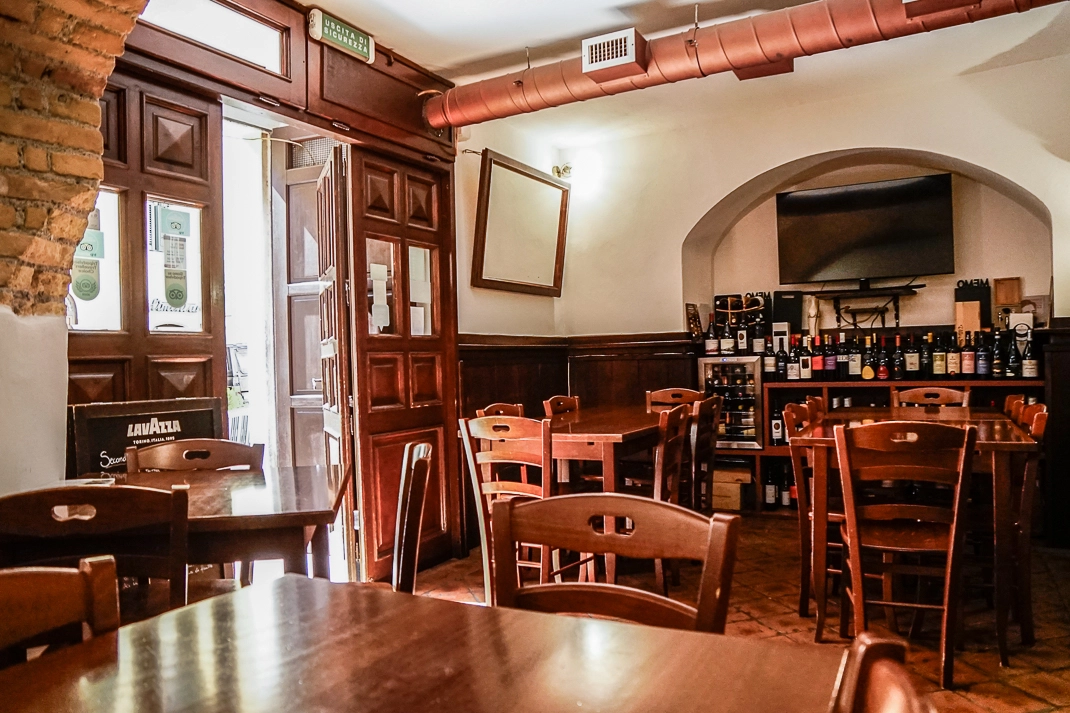
10a.m.-4:30 p.m., 5 p.m.-midnight Sunday-Friday, 9 a.m.-4:30 p.m., 5 p.m.-midnight Saturday. Classic family run trattoria with homemade pastas, all priced at €13. Try the Arsoli trademark sagnozzi pasta. Il Calascione serves the short noodles with bits of zucchini and pancetta. Meat dishes range from €9-18. Lunch for two with wine was €43.
Arsoli: Sagnozzi pasta with zucchini and bacon at Il Cascione.